Local guide / Colorado Springs, CO
Window Well Flooding in Colorado Springs Basements
A window well is a hole in the ground right next to your foundation. When snowmelt or a summer storm fills it faster than it drains, the water has one place to go. How to stop that, and what to do when it already happened.
Free to call. Lines open 24 hours.
- Dry reading
- Wet, needs drying
Crews use moisture meters to find water you cannot see, then log readings every day until materials are dry.
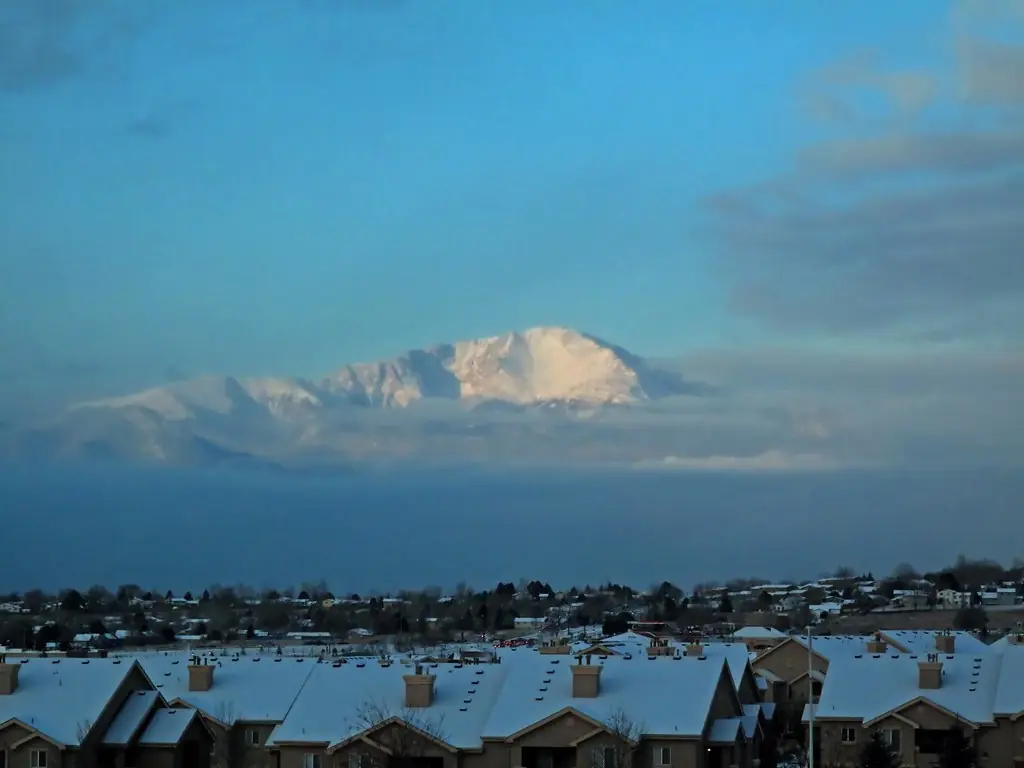
Photo: 3 Dec 09 Pikes Peak Colorado Springs Colorado by Brokentaco, CC BY 2.0
How the water gets in
Most basement seepage starts outside. Roof water drops off the eaves or out of a short downspout, lands next to the house, and soaks into loose backfill soil along the foundation. A window well sitting in that soil fills up like a bucket. If its drain is clogged or was never connected, water rises until it finds the window seal or a crack.
Colorado adds another twist. The Colorado Geological Survey explains that swelling soils get wet from poor surface drainage, heavy lawn watering, sprinkler or water line leaks, poorly packed backfill or a rising water table. Wet clay swells and dry clay shrinks, and that movement stresses foundations. Keeping water away from the walls protects both the basement and the foundation.
Check the slope and the downspouts
The Colorado Geological Survey's homeowner guide on swelling soil gives real numbers you can check with two stakes and a string:
- Slope. Within 10 feet of the house, vegetated areas should drop at least 6 inches. The recommended fall is 12 inches over those 10 feet.
- Downspouts. Splash blocks should carry water past the backfill, and water should come out no closer than 5 feet from the foundation. That usually means adding an extension, and leaving it down except when you mow.
- Gutters. Inspect them twice a year, in spring and fall, and clear out debris.
- Sprinklers and plants. Keep sprinkler spray at least 5 feet from the foundation, and do not plant flowers or shrubs closer than that unless they need very little water.
A common mistake the guide points out is people pulling off the downspout extension so storm runoff waters a flower bed by the house. It looks tidy. It also aims roof water straight at the basement wall.
Water coming through a window well in your Colorado Springs basement? Call to reach a local restoration company.
Call (719) 621-9712Window well basics
Clear leaves, snow and trash out of the well. Make sure the soil around the well slopes away from it like the rest of the yard. If there is a drain at the bottom, pour a bucket of water in and watch whether it actually goes down. A well that holds water for hours after a storm has a drain problem, and a plumber or foundation contractor can tell you whether it is clogged or not connected to anything.
A clear cover over the well keeps snow and rain out while still letting light in. Snow that drifts into an open well melts right against the window.
Who to call about street drainage
Sometimes the water is not from your roof at all. If runoff from the street or a public drainage channel is heading toward your house, the City of Colorado Springs Stormwater team takes reports of drainage concerns at (719) 385-5980 on weekdays, or at stormwater@coloradosprings.gov. Clogged inlets and catch basins go to Public Works Operations and Maintenance at (719) 385-5934. You can also report problems through the city's GoCOS! app.
If you think your home may be in a floodplain, the city points residents to the Pikes Peak Regional Building Department's Floodplain Management Office at (719) 327-2889.
What insurance may not cover
This is where seepage hurts. The NAIC says homeowners and renters insurance generally do not cover flood losses, and it suggests checking your policy's exclusions under water damage. Groundwater and surface water coming through a wall or window often fall into those exclusions, so read yours before you need it.
Flood insurance helps, but basements are limited. FEMA explains that the National Flood Insurance Program treats any area with a floor below ground level on all sides as a basement. In a basement, building coverage includes items like furnaces, water heaters, sump pumps, electrical boxes, foundation elements, unpainted drywall and cleanup. It does not cover finished walls, carpet, paint, floors, furniture or other personal belongings kept down there. Washers, dryers and freezers fall under contents coverage, which is why FEMA encourages buying both.
When water is already on the floor
1. Stay out of standing water if outlets, cords or appliances are in it. Shut off the basement power at the panel only if you can reach it from a dry spot. 2. Bail or pump out the window well so it stops feeding water in. 3. Photograph the well, the window and the wet areas before you move anything. 4. Pull wet rugs and boxes out and get air moving. 5. Call your insurer and describe exactly where the water came in.
Then dry fast. The EPA says to dry water damaged areas and items within 24 to 48 hours to prevent mold. Basement drywall and carpet pad soak up water from the bottom, so moisture readings matter more than how dry the surface feels.
Sources
Where these facts come from
Checked 2026-11-15. Rules and phone numbers change, so confirm with the source before you rely on them.
Services
Water Damage Help in Colorado Springs
Water Damage Restoration
Extraction, structural drying, moisture logs and repairs.
Get help →EmergencyEmergency Water Removal
Standing water pumped and extracted, day or night.
Get help →EmergencyFlooded Basement Cleanup
Basement water pumped out, dried and checked.
Get help →EmergencyBurst Pipe Water Damage
Cleanup after frozen, split or leaking pipes.
Get help →EmergencySewage Backup Cleanup
Safe cleanup of sewer backups and toilet overflows.
Get help →EmergencyBiohazard Cleanup
Contaminated sewage, hoarding and biological waste cleanup.
Get help →Plan aheadMold Remediation
Mold found after a leak, removed and the cause fixed.
Get help →UrgentFire & Smoke Damage
Smoke, soot and firefighting water cleaned up.
Get help →UrgentRoof Leak & Storm Damage
Water through the roof, ceiling or windows after a storm.
Get help →More guides
More Colorado Springs Guides
Burst Pipe: Curb Stop to Drying
Know your two shut-off valves, which pipes are yours, and what has to happen in the next two days.
Read the guide →Sewer Backup: Who Pays
Sewage coming up through a floor drain is bad enough. Then comes the question of whose problem it is. Here is how it works in Colorado Springs, and what to do in the first hour.
Read the guide →Flash Floods and Flood Insurance
Summer storms over the mountains can send water through town before you hear any thunder. What to watch for, what your insurance will and will not do, and how to handle the cleanup.
Read the guide →Call any time
Wet Basement in Colorado Springs?
Call any time to reach a local restoration company that handles basement water.