Local guide / Colorado Springs, CO
Colorado Springs Flash Floods: Water Damage and Insurance
Summer storms over the mountains can send water through town before you hear any thunder. What to watch for, what your insurance will and will not do, and how to handle the cleanup.
Free to call. Lines open 24 hours.
- Dry reading
- Wet, needs drying
Crews use moisture meters to find water you cannot see, then log readings every day until materials are dry.
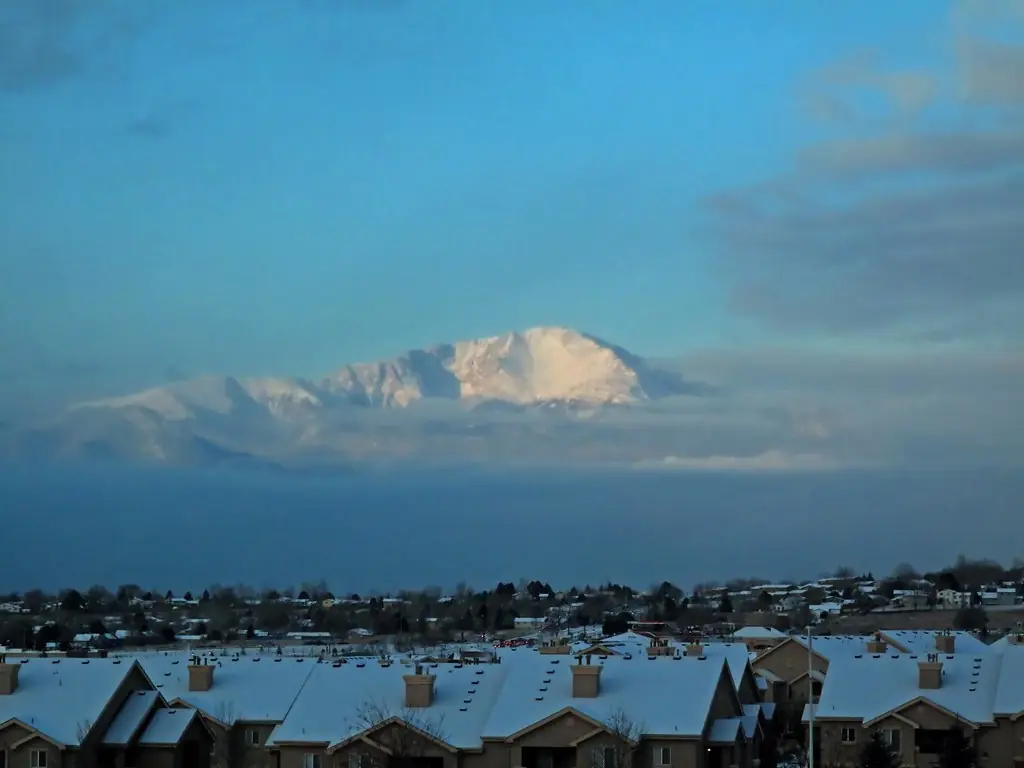
Photo: 3 Dec 09 Pikes Peak Colorado Springs Colorado by Brokentaco, CC BY 2.0
When and why it floods here
The Colorado Springs Fire Department says flash floods here tend to happen from May through September. They are usually caused by thunderstorms that are out of sight and out of hearing range of the people downstream. Runoff from the mountains can push small creeks and dry streambeds to unsafe levels quickly.
Burn scars add to the risk. The fire department notes that wildfire burn areas can lose their vegetation and the ground can start to repel water, so rain that would normally soak in runs straight off. If you live below an old burn area, take summer storm warnings seriously.
Watch, warning, emergency
These three terms get mixed up a lot. The fire department's flash flood safety sheet defines them this way:
- Flash flood watch. Flooding is possible, usually over several areas. Be alert, be ready to move to high ground, and keep an eye on the storm.
- Flash flood warning. A flash flood is happening or about to happen in a more specific area. Relocate if needed, get to high ground, and do not cross moving water on foot or in a car.
- Flash flood emergency. Life-threatening water has risen and rescues or evacuations are under way.
The same sheet gives numbers worth remembering. Six inches of fast-moving water can knock you off your feet. Twelve inches can move a car, and 18 inches can float it. No basement or belongings are worth that.
Storm water in your Colorado Springs home? Call to reach a local restoration company.
Call (719) 621-9712Homeowners insurance and flood
This is the part that surprises people. The Colorado Division of Insurance says homeowners insurance does not cover flood damage, and flood insurance has to be bought as a separate policy.
FEMA says there is typically a 30-day waiting period before a National Flood Insurance Program policy takes effect, with some exceptions such as coverage required by a lender. The Division of Insurance advises against counting on an exception. If the forecast already shows storms, it is too late to buy for this week.
You do not have to live in a mapped high-risk zone to buy flood coverage. FEMA says NFIP policies are available to anyone in a participating community. You can ask any insurance agent, or call the NFIP at (877) 336-2627.
Help the storm drains help you
A lot of street and yard flooding starts with a blocked inlet. Within city limits, the City of Colorado Springs asks residents to report clogged inlets and other public drainage problems to the Public Works Operations and Maintenance Division at 719-385-ROAD.
Around your own house, clear gutters and downspouts before summer, and make sure the ground slopes away from the foundation so water does not collect against the walls.
Make a plan before July
The fire department's safety sheet asks families to do a few things ahead of flash flood season, and none of them take long:
- Build an emergency kit with enough supplies for up to 72 hours.
- Pick two places on higher ground or away from the main water paths, such as a neighbor's house, where you can go during a flood.
- Work out the safest route from your home to higher ground, one that does not cross low-lying areas.
- Find out what your employer and your kids' schools plan to do, and fit that into your own plan.
It also helps to know which creeks and dry streambeds are near your house and where you sit in relation to them. A channel that is dry all spring can be running high an hour after a storm in the foothills.
After the water goes down
Floodwater is dirty water. It picks up whatever is in the street, the yard and the storm system. Wear gloves and boots, keep children out, and do not touch electrical equipment that got wet.
Take photos of everything before you clean, then call your insurer. Whether the damage is covered depends on where the water came from, so describe it plainly: rising water from outside, a roof leak in the storm, or a drain backing up.
Then the drying clock starts. The EPA says wet materials should be dried within 24 to 48 hours to prevent mold. Carpet pad, drywall and insulation that soaked up floodwater usually have to come out. Basements in this area often stay damp for days without dehumidifiers running, even with the dry air outside.
Sources
Where these facts come from
Checked 2026-11-15. Rules and phone numbers change, so confirm with the source before you rely on them.
Services
Water Damage Help in Colorado Springs
Water Damage Restoration
Extraction, structural drying, moisture logs and repairs.
Get help →EmergencyEmergency Water Removal
Standing water pumped and extracted, day or night.
Get help →EmergencyFlooded Basement Cleanup
Basement water pumped out, dried and checked.
Get help →EmergencyBurst Pipe Water Damage
Cleanup after frozen, split or leaking pipes.
Get help →EmergencySewage Backup Cleanup
Safe cleanup of sewer backups and toilet overflows.
Get help →EmergencyBiohazard Cleanup
Contaminated sewage, hoarding and biological waste cleanup.
Get help →Plan aheadMold Remediation
Mold found after a leak, removed and the cause fixed.
Get help →UrgentFire & Smoke Damage
Smoke, soot and firefighting water cleaned up.
Get help →UrgentRoof Leak & Storm Damage
Water through the roof, ceiling or windows after a storm.
Get help →More guides
More Colorado Springs Guides
Burst Pipe: Curb Stop to Drying
Know your two shut-off valves, which pipes are yours, and what has to happen in the next two days.
Read the guide →Sewer Backup: Who Pays
Sewage coming up through a floor drain is bad enough. Then comes the question of whose problem it is. Here is how it works in Colorado Springs, and what to do in the first hour.
Read the guide →Hail, Roof Leaks and Claims
The storm passes in ten minutes. The leak shows up an hour later as a brown spot on the ceiling. What to do about the water inside, how the insurance side works, and what Colorado law says about roofers who knock on your door.
Read the guide →Call any time
Flood Damage in Colorado Springs?
Call any time to reach a local restoration company.