Local guide / Colorado Springs, CO
Hail Roof Leaks in Colorado Springs: Water Damage, Claims
The storm passes in ten minutes. The leak shows up an hour later as a brown spot on the ceiling. What to do about the water inside, how the insurance side works, and what Colorado law says about roofers who knock on your door.
Free to call. Lines open 24 hours.
- Dry reading
- Wet, needs drying
Crews use moisture meters to find water you cannot see, then log readings every day until materials are dry.
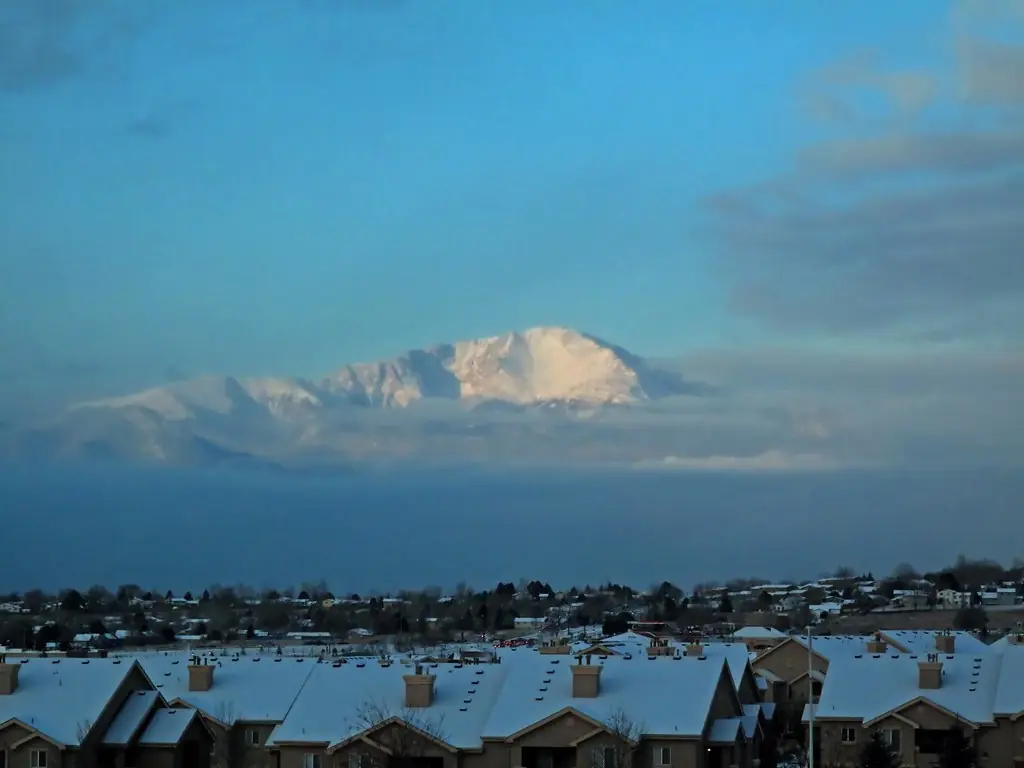
Photo: 3 Dec 09 Pikes Peak Colorado Springs Colorado by Brokentaco, CC BY 2.0
Why the damage shows up inside
Hail breaks shingles, dents vents and cracks skylights. Some of that is easy to see from the yard. A lot of it is not, and you only find out when the next rain gets through and soaks the attic insulation, then the drywall below it.
So after a big hail storm, look up as well as out. Check ceilings on the top floor, the corners of rooms under valleys in the roof, and around skylights and bath fans. If you can get into the attic safely, look for wet insulation or drips on the underside of the roof deck. A stain that keeps growing means water is still coming in.
Stop more water getting in
The Colorado Division of Insurance tells homeowners to mitigate further damage when it is safe, for example by putting tarps on roofs or boarding up broken windows. Your insurer will expect the same thing. Damage that gets worse because nothing was done can be harder to get paid for.
Inside the house, a few simple moves help:
- Catch the drips. Buckets and towels under the leak, and move furniture and rugs out of the way.
- Relieve a bulging ceiling. If water is pooling above drywall and it sags, poke a small hole at the low point with a bucket under it. That beats the whole panel coming down.
- Watch the electrics. Keep away from light fixtures or outlets near the wet area, and turn off that circuit at the panel if you can do it while standing somewhere dry.
Keep receipts for tarps and anything else you buy to protect the house.
Hail leak dripping through a Colorado Springs ceiling? Call to reach a local restoration company.
Call (719) 621-9712Starting the claim
The Division of Insurance's storm advice is to call your insurance company or agent and start the claim as soon as you can. The company will send a claims adjuster to look at the damage.
- Take photos of the roof damage you can see from the ground, the hail itself if it is still lying around, and every wet ceiling and wall inside.
- Call your insurer and get a claim number.
- Ask for an itemized explanation of any settlement offer, so you can see what was counted.
- If the claim is denied, ask for the denial in writing. The Division says the letter should point to the specific policy language behind the denial.
Repair costs can change once work starts. The Division notes that contractors often find more damage after they open things up, and your insurer needs that new information before the work goes on.
Know your hail deductible
Many Colorado homeowners policies have a separate wind and hail deductible, and the Division of Insurance points out that it is often a percentage of your coverage, such as 1, 2 or 5 percent, rather than a flat dollar amount. On a house insured for a few hundred thousand dollars, that percentage can add up quickly. If the damage comes in under your deductible, the insurer will not pay.
Pull out your declarations page before storm season and find that number. It changes how you think about a small leak versus a full roof.
Colorado's roofing contractor rules
After a hail storm, roofers start knocking on doors. The Division of Insurance advises caution with door-to-door and phone pitches, and says to get everything in writing and read contracts carefully. Colorado law backs that up for residential roofing work:
- Written contract. The contract has to list the scope of work and materials, approximate dates and costs, and the contractor's contact and insurance details.
- 72 hours to cancel. It must include a 72 hour right to rescind the contract and get any deposit back.
- Insurance denial. You can also cancel within 72 hours after your insurer tells you in writing that the claim for the roofing work was denied in whole or in part.
- Your money is held in trust. The contractor has to hold your payment in trust until materials are delivered to the house or most of the work is done.
- No deductible games. A roofing contractor cannot advertise or promise to pay, waive or rebate any part of your insurance deductible.
If someone offers to cover your deductible, that offer itself breaks state law.
Drying out what got wet
The roof repair can wait for a dry week and a proper contractor. The water inside cannot wait. The EPA says water damaged areas and items should be dried within 24 to 48 hours to prevent mold.
Wet attic insulation usually has to come out, since it holds water against the ceiling. Drywall that sagged or stayed soaked for a day often gets cut out too. A restoration crew can use moisture meters to find water that spread past the visible stain, and that record also helps your claim.
Sources
Where these facts come from
Checked 2026-11-15. Rules and phone numbers change, so confirm with the source before you rely on them.
Services
Water Damage Help in Colorado Springs
Water Damage Restoration
Extraction, structural drying, moisture logs and repairs.
Get help →EmergencyEmergency Water Removal
Standing water pumped and extracted, day or night.
Get help →EmergencyFlooded Basement Cleanup
Basement water pumped out, dried and checked.
Get help →EmergencyBurst Pipe Water Damage
Cleanup after frozen, split or leaking pipes.
Get help →EmergencySewage Backup Cleanup
Safe cleanup of sewer backups and toilet overflows.
Get help →EmergencyBiohazard Cleanup
Contaminated sewage, hoarding and biological waste cleanup.
Get help →Plan aheadMold Remediation
Mold found after a leak, removed and the cause fixed.
Get help →UrgentFire & Smoke Damage
Smoke, soot and firefighting water cleaned up.
Get help →UrgentRoof Leak & Storm Damage
Water through the roof, ceiling or windows after a storm.
Get help →More guides
More Colorado Springs Guides
Burst Pipe: Curb Stop to Drying
Know your two shut-off valves, which pipes are yours, and what has to happen in the next two days.
Read the guide →Sewer Backup: Who Pays
Sewage coming up through a floor drain is bad enough. Then comes the question of whose problem it is. Here is how it works in Colorado Springs, and what to do in the first hour.
Read the guide →Flash Floods and Flood Insurance
Summer storms over the mountains can send water through town before you hear any thunder. What to watch for, what your insurance will and will not do, and how to handle the cleanup.
Read the guide →Call any time
Hail Damage Leaking Into Your Home?
Call any time to reach a local restoration company in Colorado Springs.